Discover Maramures
Bârsana Monastery: Sacred Beauty in the Heart of Maramureș
Nestled in the hills of northern Romania, Bârsana Monastery is one of Maramureș's most magical destinations — a UNESCO-linked wooden masterpiece with 600 years of spiritual history.
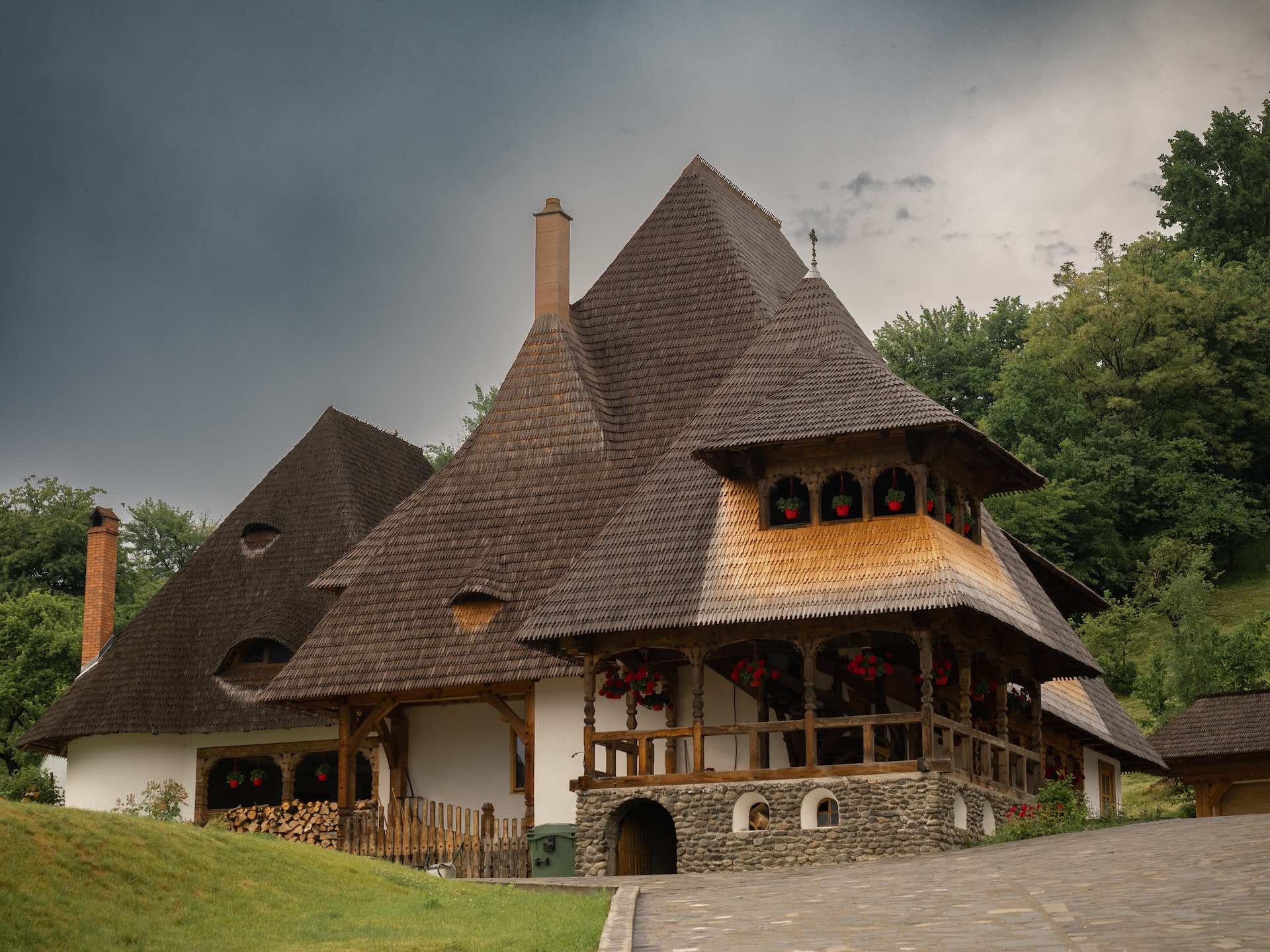
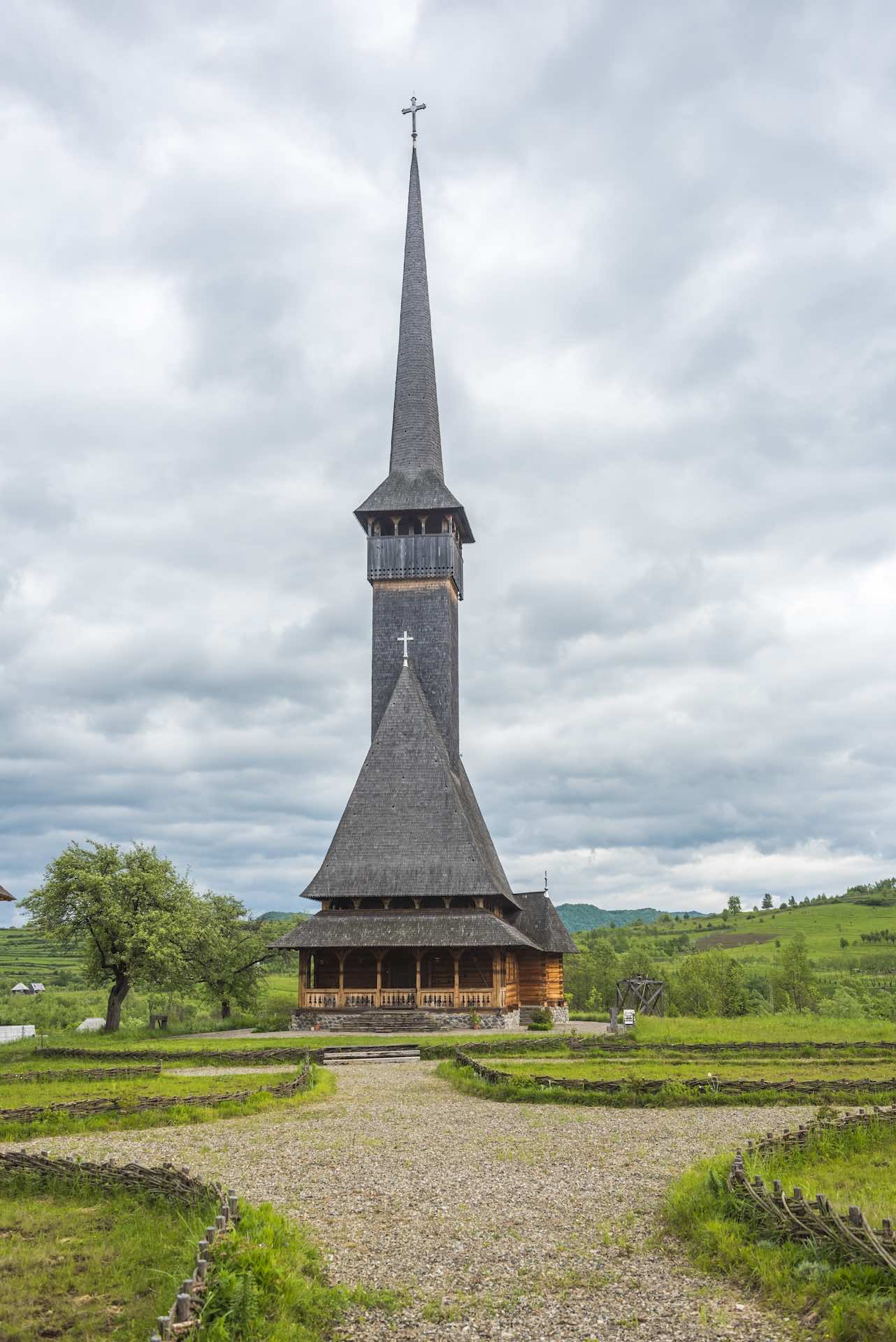
Tucked away in the rolling hills of northern Romania, the Bârsana Monastery is one of Maramures (Maramureș)’s most captivating spiritual destinations. Rising from the valley of the Iza River, its slender wooden spire pierces the sky in the quintessential style of the region — a silhouette that has defined this landscape for centuries. With roots stretching back to the 14th century, Bârsana is both a living place of worship and a masterwork of traditional craftsmanship, drawing pilgrims and travellers alike to its serene and storied grounds.
Historical Background and Origins
The history of Bârsana Monastery is as layered as the region it inhabits. The first documented mention of a religious settlement here dates to 1390, though historians believe a monastic community existed at this site even earlier. Over the following centuries, Bârsana grew into a significant spiritual centre — a refuge for Orthodox faith during a turbulent period when the Habsburg Monarchy sought to impose Catholicism on the deeply Orthodox population of Maramureș.
The current wooden church was built in 1720, representing a high point of the Maramureș woodworking tradition. It served the community faithfully for over a century before the monastery fell into decline in the early 19th century, abandoned amid shifting socio-political pressures. Its revival came in 1993, when a new monastic community was established on the site — breathing life back into a place that had long stood in quiet waiting.
Architectural Splendour
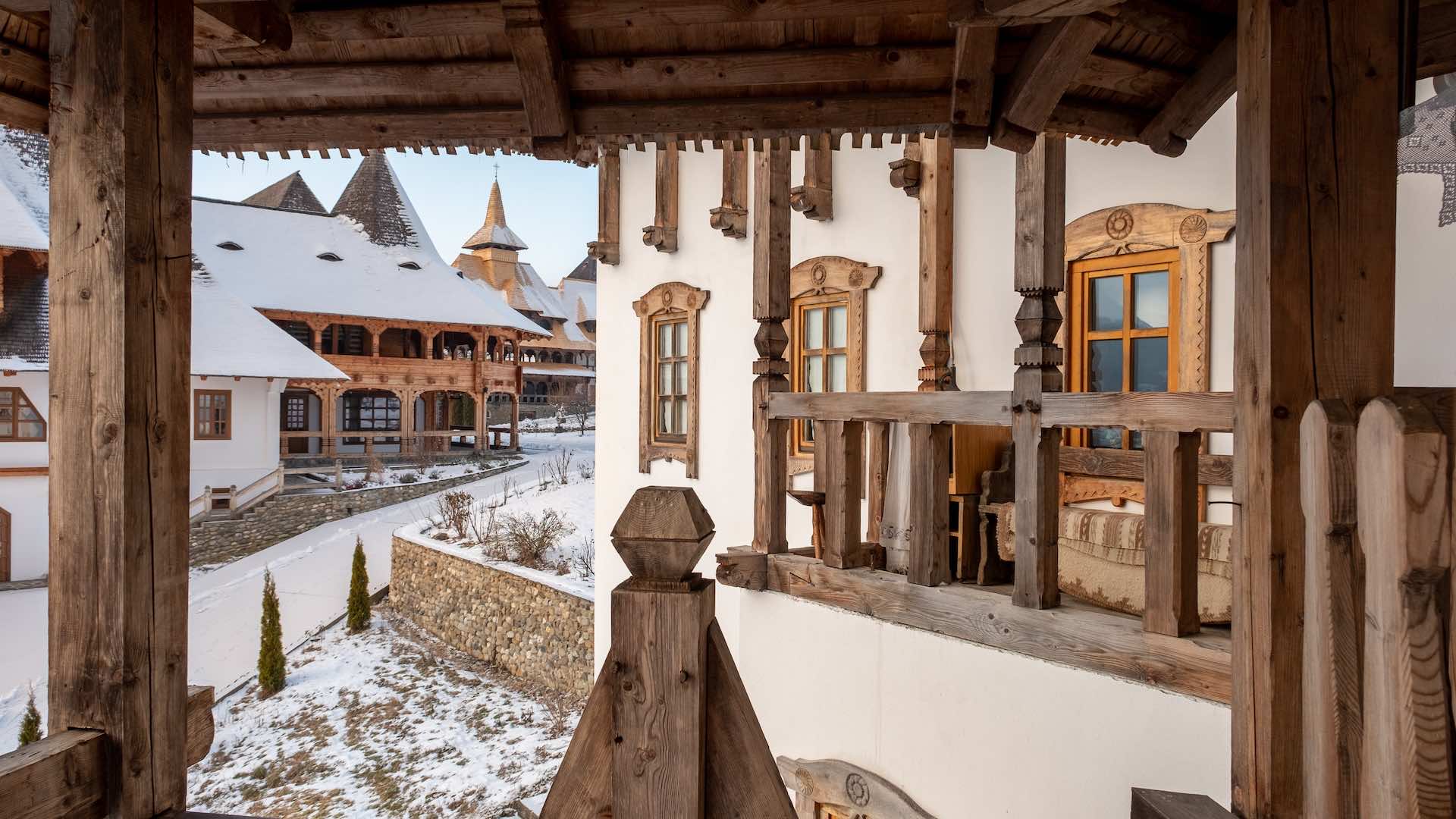
The architecture of Bârsana Monastery is a remarkable embodiment of the Maramureș wooden building tradition. Constructed from local oak, the church features the region’s signature tall, slender spire and steeply pitched roof — a design that draws the eye upward and the spirit with it. Every beam, joint, and carved surface reflects techniques preserved across generations of local craftsmen, each detail holding its own symbolic and aesthetic weight.
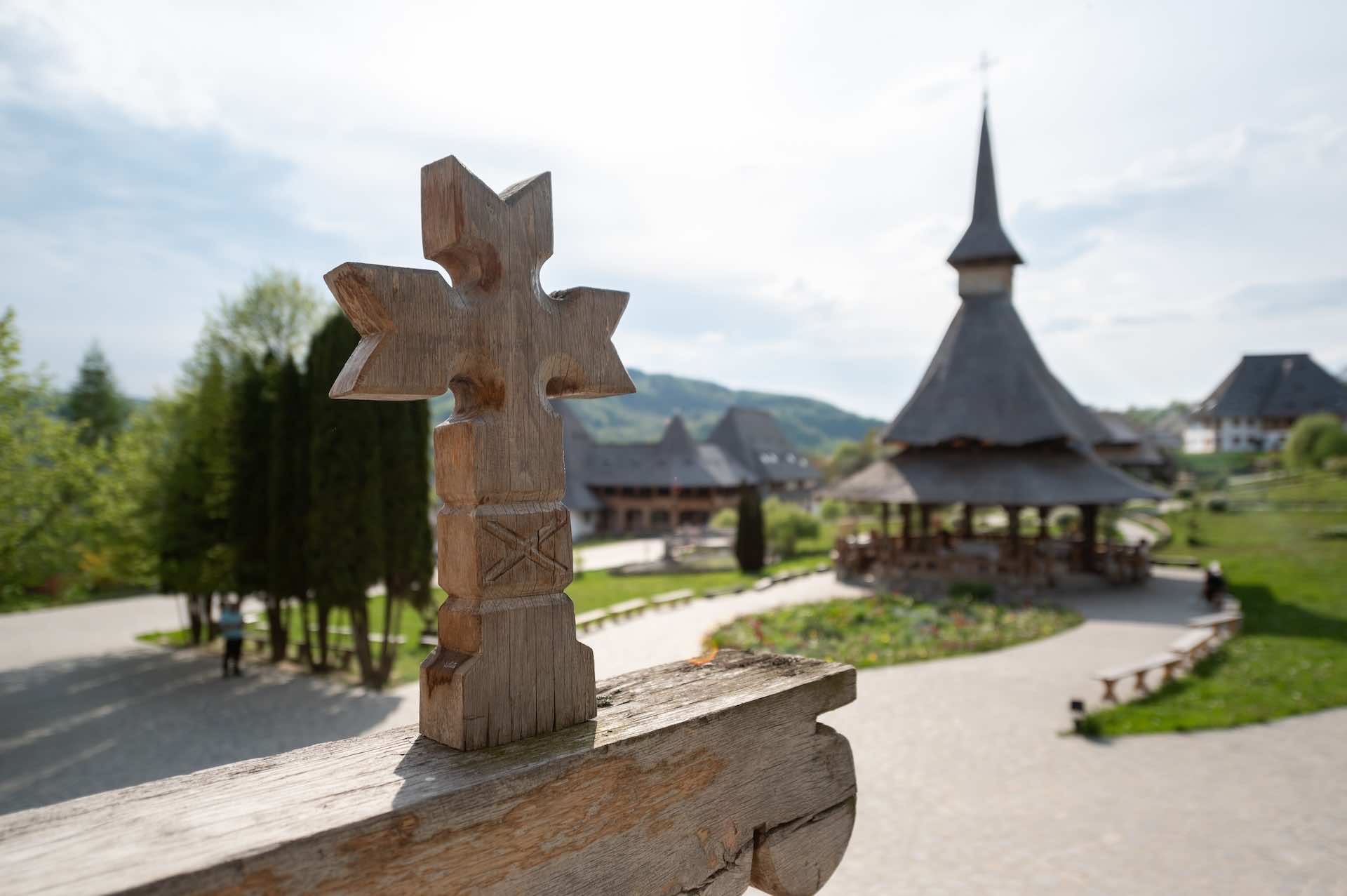
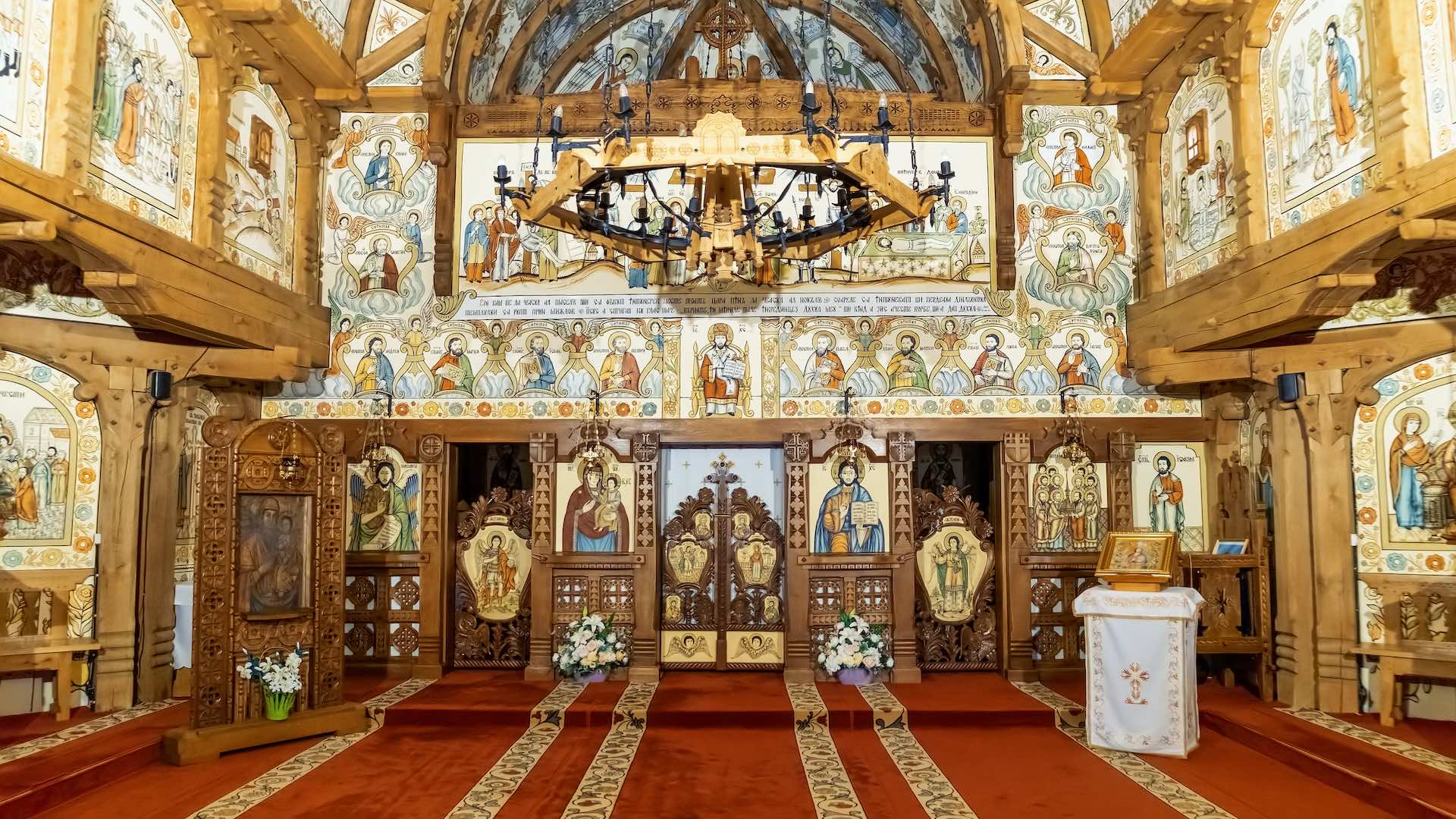
The exterior is adorned with intricate wooden carvings: religious scenes, geometric patterns, and floral motifs that speak to the distinctive artistry of the region. The carvings on the entrance porch are particularly fine, their detail protected by the deep overhanging eaves that shelter them from the elements. Inside, the intimate interior is enriched by frescoes depicting saints, angels, and biblical narratives — their colours softened by time, but their expressiveness entirely intact.
A Living Centre of Faith
Bârsana Monastery is not merely a historic site — it remains an active centre of Orthodox monastic life. The community of nuns here follows a daily rhythm of prayer, contemplative work, and hospitality, welcoming pilgrims and visitors with quiet warmth. The monastery’s setting, surrounded by wooded hillsides and the gentle sounds of the Iza valley, lends itself naturally to reflection and renewal.
The monastery’s calendar of religious festivals draws devotees from across Romania, particularly those honouring the Virgin Mary — the patron of the church. These gatherings offer a rare opportunity to witness Maramureș’s living Orthodox traditions, where liturgy, folk costume, and community life remain deeply intertwined. Visitors who time their trip accordingly will find an experience that goes far beyond sightseeing.
Cultural Heritage and UNESCO Legacy
Bârsana Monastery sits at the heart of one of Romania’s most celebrated cultural landscapes. The wooden churches of Maramureș — eight of which are UNESCO World Heritage Sites — represent a tradition of sacred architecture found nowhere else in Europe, and Bârsana exemplifies this tradition at its finest. For those already exploring the region’s remarkable wooden churches, the monastery is an essential stop that brings the living tradition into sharp focus.
The broader monastery complex includes a bell tower, residential buildings for the monastic community, and a small museum housing religious manuscripts, embroidered vestments, and traditional artefacts. Together, these structures offer a layered picture of the cultural and spiritual life that has shaped this corner of Maramureș. The preservation of these buildings — and the craftsmanship they represent — is an ongoing act of cultural memory, carried out daily by the sisters and artisans who call Bârsana home.
Planning Your Visit to Bârsana
Bârsana Monastery is located in the village of Bârsana, in the Iza Valley, approximately 30 kilometres from Sighetu Marmației. It is easily reached by car via the DN18 road, and the village is also served by local buses from Sighetul. The monastery grounds are open to visitors year-round with no entrance fee, though modest dress is expected — shoulders and knees should be covered, and photography inside the church should be done with care and discretion.
The surrounding Iza Valley rewards those who take their time. The valley’s string of traditional villages, wooden gates, and ancient churches makes for a richly rewarding full-day itinerary. Pair the monastery with a visit to Breb village for a complementary portrait of timeless Maramureș life, or explore the valley’s other historic settlements at a gentle pace.
Why Bârsana Monastery Should Be on Every Itinerary
There are places that reward patience — where the longer you linger, the more you see. Bârsana Monastery is one of them. Its carved wooden spire, its frescoed walls, its quietly devoted monastic community: each element reveals something of what Maramureș has always been — not a region preserved in amber, but one that carries its past forward with deliberate grace.
Whether encountered on a still winter morning with snow on the rooftops, or during a summer festival alive with song and colour, Bârsana leaves an impression that endures long after the journey home. It is, in every sense, a place worth seeking out.